

From April 24 to 25, 2026, the Countdown to 2030 participated in the WAHO Partners’ Forum and the 27th Ordinary Session of the ECOWAS Assembly of Health Ministers in Freetown, Sierra Leone. The high-level regional convening brought together ministers of health, regional institutions, development partners, program leaders, researchers, and technical experts to discuss priorities for stronger, more resilient health systems in West Africa.
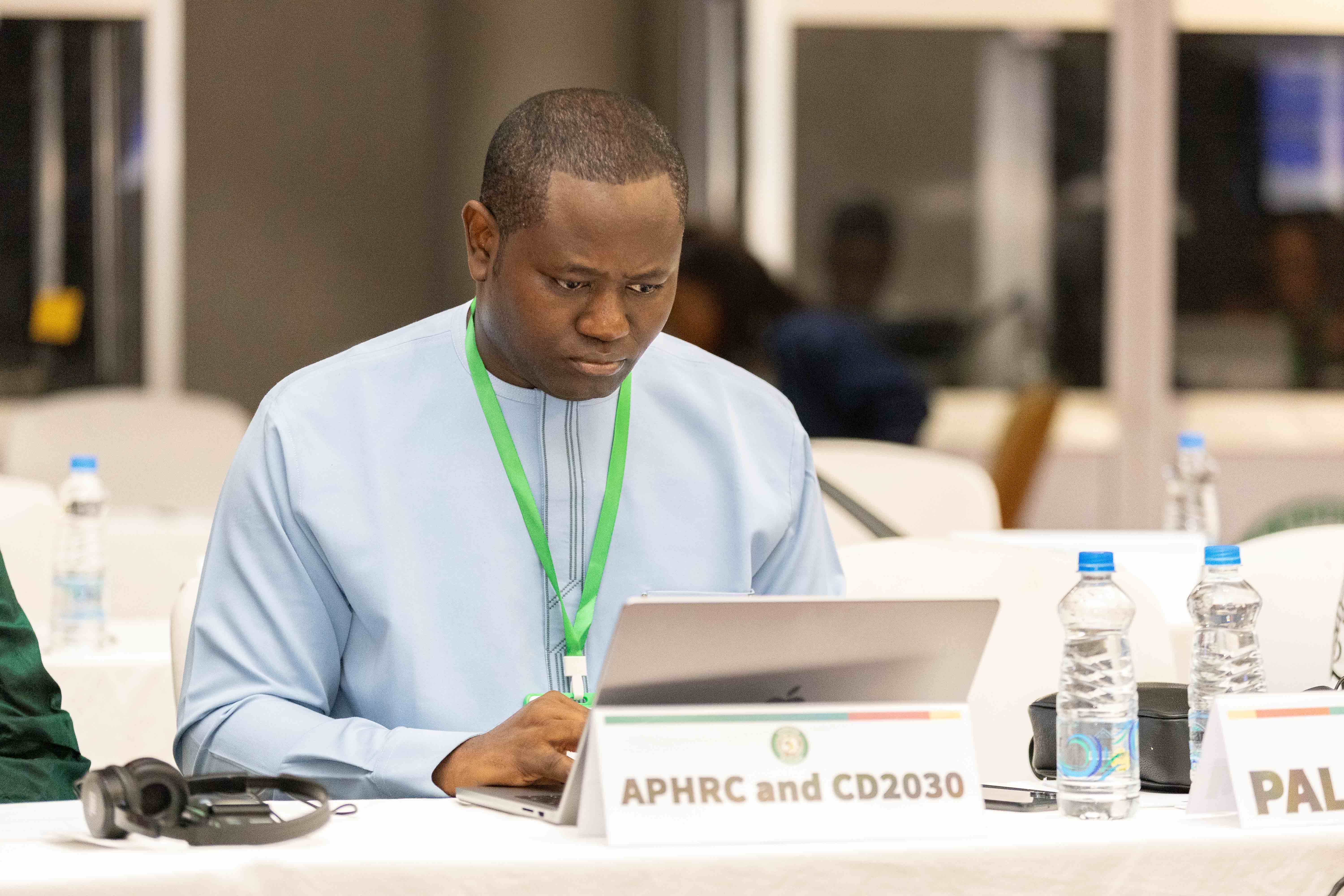
At a time when countries are facing tighter financing conditions and increasing pressure to sustain essential health services, Countdown to 2030 used the platform to bring evidence on contraceptive discontinuation into the regional policy conversation.
Why discontinuation matters
As part of the WAHO Partners’ Forum on 23 April, Assane Diouf, Senior Communication Officer at APHRC West Africa Regional Office, presented findings from a multicountry analysis conducted in collaboration with WAHO and the Ouagadougou Partnership. The study explored contraceptive discontinuation across 11 West African countries and highlighted a key message for policymakers and partners: expanding access to contraception is essential, but it is not enough. Countries must also ensure that women can continue using methods safely, confidently, and with adequate support.
The analysis showed that contraceptive discontinuation within 12 months remains high across the region, ranging from 23% in Burkina Faso to 63% in Guinea, with high levels also observed in Nigeria, Ghana, and Liberia. These figures point to an urgent program challenge: too many women start using contraception but discontinue before they receive sustained protection.
A signal of service quality and system performance
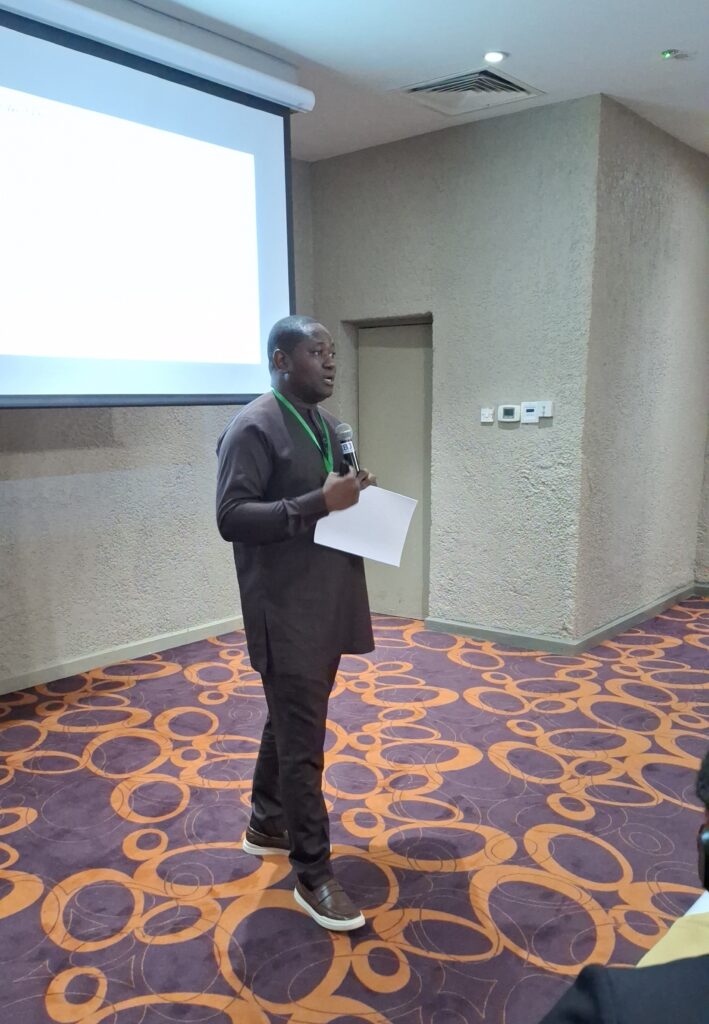 Countdown’s presentation emphasized that contraceptive discontinuation should not be viewed only as an individual behavior. In many cases, it reflects deeper health system challenges, including weak counseling, poor management of side effects, limited support for method switching, partner opposition, stock pressures, and financial or access barriers.
This means that family planning programs need to look beyond uptake alone. Continuation, satisfaction, informed choice, and quality of care must become central measures of program success.
The presentation also highlighted the importance of method mix. Short-acting methods such as injectables and pills remain widely used in many settings, but they are also associated with higher discontinuation and more frequent re-initiation. This increases repeat visits, commodity use, counseling needs, and overall program costs. A broader and more reliable choice of methods, including long-acting reversible contraceptives, combined with strong counseling, can improve both continuity and efficiency.
A financing issue, not only a service delivery issue
The financing message was central to the discussion. Domestic investment in family planning remains low and uneven across West Africa. The evidence presented showed that Côte d’Ivoire invests just over US$5 per woman of reproductive age, while Burkina Faso, Mauritania, and Sierra Leone invest less than US$0.40.
In a context of uncertain external funding, this level of variation matters. Countries with low domestic investment are more exposed to stock-outs, service disruptions, and declining contraceptive use when donor financing tightens.
Countdown’s message was clear: improving continuation can help countries make better use of scarce resources, but it cannot replace the need for stronger and more predictable domestic financing.
From evidence to action
The discussions in Freetown reinforced the importance of translating data into policy action. Reducing preventable contraceptive discontinuation is both a public health priority and a financing priority. It can help improve women’s reproductive autonomy, strengthen program efficiency, and protect family planning gains in a challenging funding environment.
Countdown’s presentation called for action in four key areas:
- Increase and protect domestic family planning budget lines to reduce vulnerability to external funding shocks.
- Improve counseling, side-effect management, and method switching support so that women receive better care throughout their contraceptive journey.
- Strengthen commodity security and method choice, including reliable availability of long-acting reversible contraceptives.
- Use better data and accountability systems to track continuation of care, quality of care, stock-outs, and user experience.
The presentation also underscored the role of WAHO and regional partners in sustaining family planning on the regional health agenda, promoting peer learning across countries, and supporting more resilient, country-led approaches to financing and service delivery.
Looking ahead
Countdown to 2030’s participation in the WAHO Partners’ Forum and ECOWAS health ministers’ convening demonstrated the value of bringing policy-relevant evidence into regional decision-making spaces.
For West Africa, the path toward more sustainable family planning systems will require more than increasing uptake. It will require stronger domestic ownership, more efficient investments, higher-quality services, and continued attention to whether women can use the methods that best meet their needs.